Why market depth matters in crypto assets?

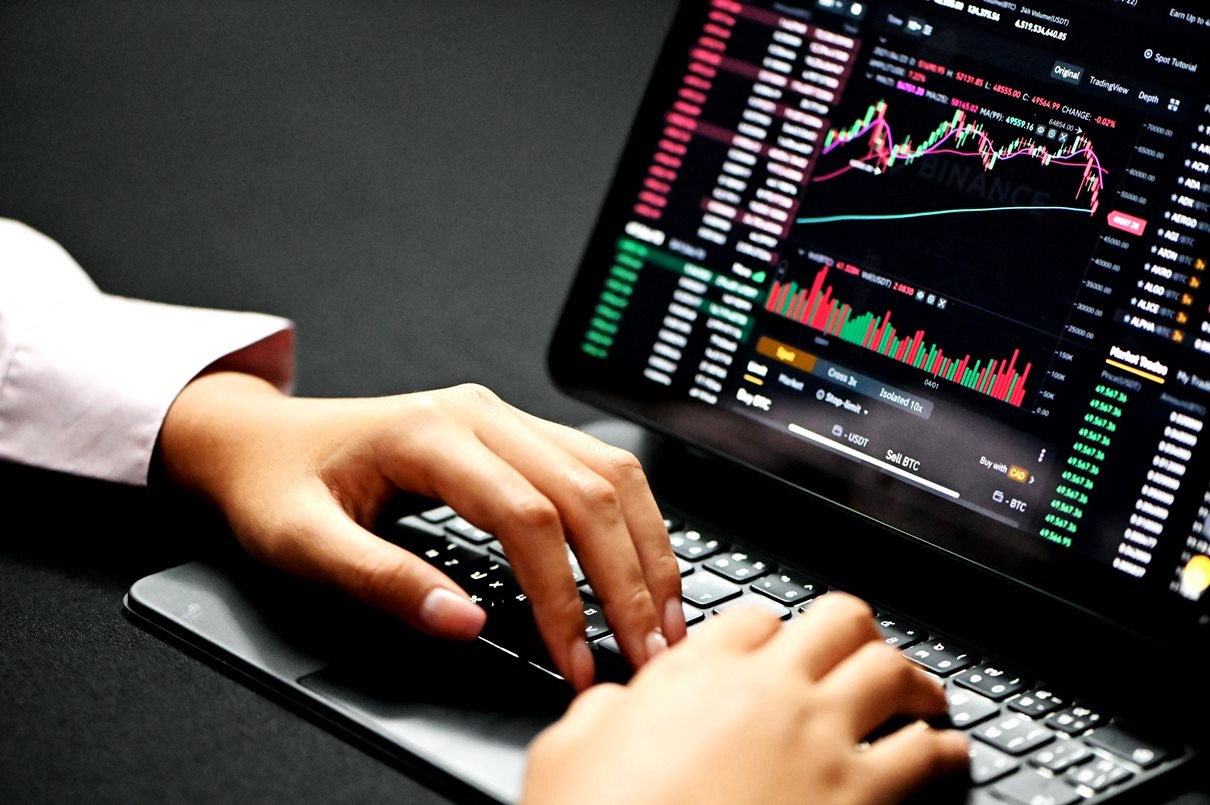
Market depth reveals how much buying or selling pressure exists at various price levels in order books. This liquidity metric determines whether large positions can enter or exit without causing massive price slippage. online casinos accepting tether market depth varies dramatically between major coins and small-cap altcoins, creating different trading dynamics. Deep markets absorb large orders without significant price impact, allowing institutional-size trades to execute. Shallow markets move violently from relatively small orders, creating extreme volatility and manipulation vulnerability. Understanding depth helps investors assess true liquidity beyond just the trading volume numbers reported. The measurement provides crucial information for position sizing and execution strategy planning.
Order book structure analysis
Deep order books show substantial buy and sell orders stacked at multiple price levels above and below current prices. The density of orders indicates how much capital stands ready to trade at various price points. Large bid-side depth shows strong support, preventing the price from falling easily through those levels. Heavy ask-side depth creates resistance, making upward price movement more difficult to achieve. Analysing order book imbalances helps predict short-term price direction based on supply-demand dynamics. Spoofing and fake orders sometimes distort depth measurements, requiring careful analysis to identify.
Slippage impact assessment
Slippage measures the price difference between the expected execution price and the actual filled price for orders. Deep markets minimize slippage allowing large orders to execute near current market prices efficiently.
- Market orders in shallow books can move prices 5-10% executing through thin order books
- Limit orders in deep markets fill at expected prices with minimal deviation
- The slippage cost often exceeds exchange fees, making depth more important than fee comparisons
- Institutional traders prioritize depth over fees when selecting trading venues
- Slippage calculations should include total trade costs, not just exchange commission rates
Shallow markets make large positions practically impossible to exit quickly without catastrophic losses.
Liquidity comparison metrics
Market depth relative to market cap reveals true liquidity available for position sizing decisions. Bitcoin maintains deep markets relative to its size, while many altcoins show concerning depth ratios. The depth-to-cap ratio helps identify which cryptocurrencies can handle institutional capital without issues. Comparing depth across exchanges shows where liquidity concentrates and which platforms offer the best execution. 24-hour volume alone doesn’t reveal depth because wash trading can inflate volume artificially. Real depth comes from resting limit orders in books, not from inflated volume statistics.
Market manipulation vulnerability
Shallow markets face constant manipulation from whales and organised pump groups exploiting illiquidity. Small capital amounts can create dramatic price swings in thin order books, attracting attention. The manipulated moves trap retail investors chasing momentum into positions that reverse quickly. Deep markets resist manipulation because moving prices requires substantial capital commitments from manipulators. Increased market depth from growing adoption naturally reduces manipulation vulnerability over time. Investors should avoid extremely shallow markets where price discovery mechanisms fail.
A reliable measure of cryptocurrency liquidity is market depth, which goes beyond misleading volume statistics. Assets are classified as either speculative toys or capable of handling serious investment capital by this metric. An increasing market depth indicates maturity and preparedness for institutional adoption.